
Solace Research and Development: Advancing the Field of Islamic Psychology
Solace Islamic Mental Health Services is honored to announce the launch of its dedicated Research & Development department, led by Dr. Asia Mushtaq. This initiative marks a significant step forward in our mission to integrate spiritual insight with psychological principles. Through this department, we aim to:
Conduct rigorous, peer-informed research rooted in both Islamic teachings and contemporary psychological science.
Develop and refine evidence-based methodologies tailored to the specific needs of Muslim clients.
Bridge the gap between spiritual wisdom and academic excellence and advancing theory, practice, and the broader field of Islamic psychology.
Our Mission:
To develop a holistic approach that integrates spiritual values into mental health interventions, while advancing empirical standards and cultural competence.
Primary Focus Areas:
Innovative Research Models
- Develop spiritually grounded frameworks by integrating Islamic principles with evidence-based psychological science.
- Generate new insights through collaborative, interdisciplinary research and contributions to peer-reviewed journals.
Training & Development
- Empower clinicians, scholars, and students with best practices based on Islamic psychology.
- Deliver workshops, webinars, and training sessions to build professional expertise with spiritual and academic depth.
Collaborative Partnerships
- Establish connections between Islamic scholars, mental health professionals, and academic institutions.
- Promote faith-integrated mental health solutions within diverse communities and professional networks.
Knowledge Dissemination
- Produce and publish research papers, clinical toolkits, and reports tailored for practitioners.
- Share findings at conferences, symposia, and professional forums to advance the field of Islamic psychology.
Why This Matters:
Islamic psychology is at a crucial turning point as a field, one that requires strong research frameworks rooted in faith and rigor. By merging Islamic spiritual principles with scientific inquiry, our R&D department seeks to:
Provide culturally sensitive care that resonates with Muslim identities.
- Reduce stigma by normalizing faith-informed mental health services.
- Contribute to theoretical development, linking modern Applied Psychology with the rich Islamic tradition.
How Can You Contribute?
- Collaborate: with us on research projects, co-author papers, and participate in expert panels.
- Stay Informed: Follow us on our social media channels to receive the latest announcements and training updates.
- Apply for Work: Volunteer to participate in our research. Register your interest via [ which
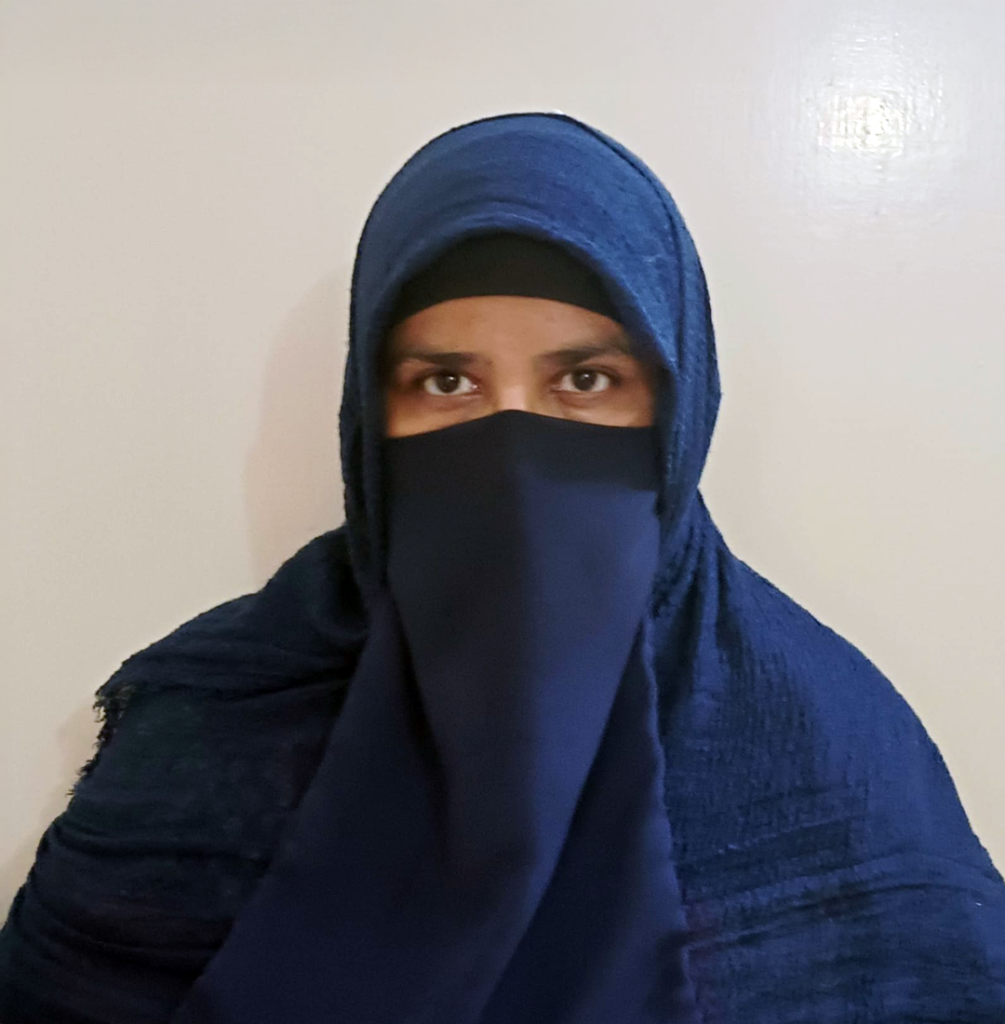
Led by Dr. Asia Mushtaq
Dr. Asia Mushtaq is an accomplished developmental and clinical psychologist, currently serving as Assistant Professor at the Department of Applied Psychology, National University of Modern Languages (NUML), Islamabad. With a PhD in Psychology from Quaid-i-Azam University, Islamabad, Pakistan, her academic and research interests lie in developmental psychopathology, child and adolescent mental health, emotional regulation, mindfulness, and parenting interventions. Dr. Mushtaq has over two decades of teaching and research experience. She is an internationally published author, and is an editorial board member and reviewer for several impact-factor journals such as PLOS One, Frontiers in Psychology, BMJ Open, and Current Psychology. Her research portfolio features over 30 peer-reviewed publications, including collaborative multinational studies on dark personality traits, cyber-behavioral issues, mindfulness, emotional development, and juvenile delinquency. Notably, she led the Pakistani arm of global initiatives such as the COVIDiSTRESS and Body Image. Her work on the Coping Power Program for aggressive children has been recognized by the U.S. Department of Justice’s CrimeSolutions.gov as an evidence-based model for juvenile behavior intervention. Under her leadership, Solace’s R&D team is poised to redefine the global landscape of Islamic psychology. Together, we are shaping a future where psychology and spirituality converge, thereby making mental health accessible through education, empowerment, and excellence.